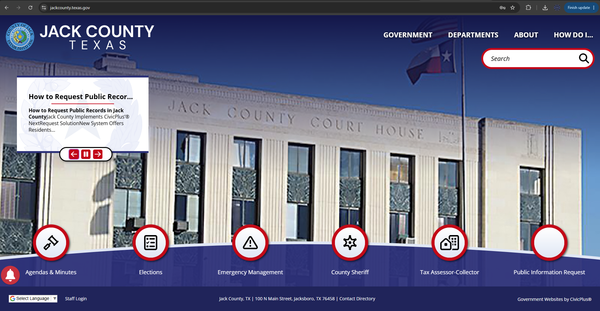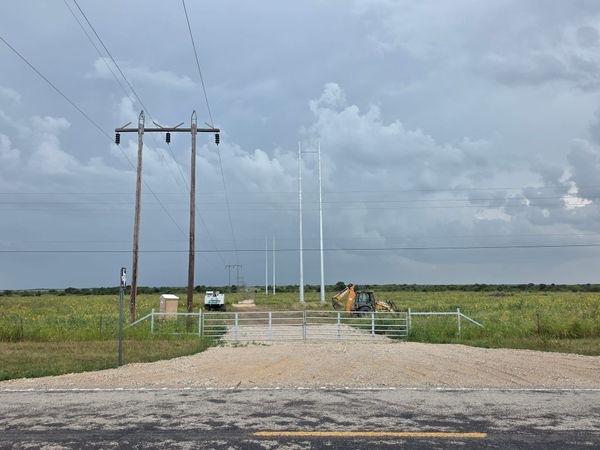
Jack County Commissioners Pause Budget Vote and Processing of New Chapter 312 Applications
Jack County Commissioners did not adopt the FY 2026-2027 budget or tax rate Monday and paused the processing and consideration of all new Chapter 312 applications while the County reviews its budget process and tax-abatement requirements.

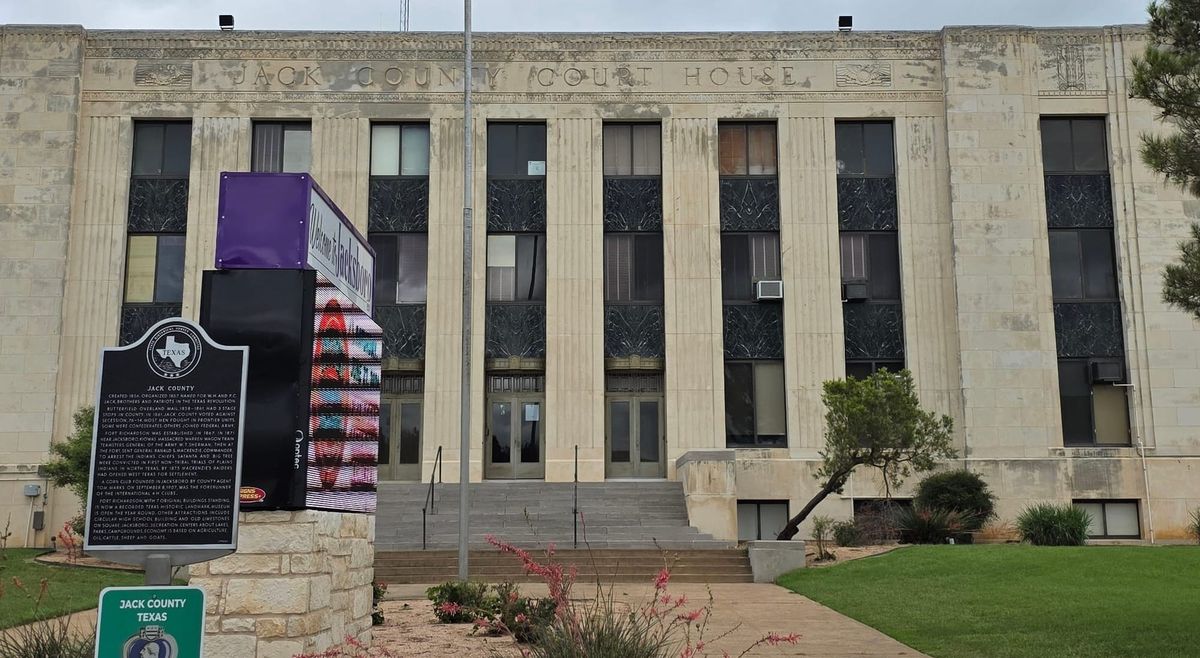
The Court will revisit the budget Friday, seek written legal guidance on notice requirements and review whether water, noise, traffic and environmental studies should be part of the county's Chapter 312 abatement process.
Monday's Jack County Commissioners Court meeting produced several important developments for taxpayers, property owners and the future of large-impact development and tax-abatement policy in the county.
The biggest development may be what the Court decided not to do.
The Commissioners Court did not adopt the FY 2026-2027 budget or set the county tax rate Monday. The Court plans to meet again Friday, September 18, after reviewing the most recent revenue and expense information. During the hearing, Commissioners also discussed fire-damage assessments affecting taxable values and force majeure notices from Pennington Solar and PK Solar.
That decision came amid both the financial uncertainty created by the Ross Fire and questions about the public record surrounding the budget process. Judge Umphress said this was not the time to raise taxes on Jack County residents and indicated the Court would be looking at the No-New-Revenue rate when it meets again Friday.
The No-New-Revenue rate is a comparison rate designed to produce the same amount of property-tax revenue from properties taxed in both years. It does not mean every individual property owner's tax bill will remain unchanged.
The budget and tax rate remain unresolved
Questions were raised about whether the County's budget-hearing notices and website postings fully complied with HB 1522 and the separate legal requirements for a public hearing on the county budget.
Judge Brian Umphress said the County will seek guidance from the Texas Association of Counties legal hotline and ask for that guidance in writing.
That is the right approach.
HB 1522, which took effect September 1, 2025, requires the notice for a meeting where a governmental body will discuss or adopt a budget to include a physical copy of the proposed budget unless the proposed budget is clearly accessible on the government's website home page. The notice must also include a taxpayer impact statement comparing the property-tax effect on a median-valued homestead.
That does not, by itself, establish that Jack County failed to comply with the law. The question is whether the public record clearly demonstrates compliance with all of the requirements that apply to this budget process.
When that question is unresolved, obtaining written legal guidance before final action is a better course than forcing the vote and sorting out the process afterward.
Processing and consideration of new Chapter 312 applications are paused while the process is reviewed
The Court voted to pause the processing and consideration of all new Chapter 312 tax-abatement applications while the County reviews and revises its application process. The final wording was deliberately industry-neutral and applies regardless of the type of applicant. The Court did not stop accepting applications: a new applicant may still submit an application and receive a timestamp, but the County will not process or consider it until the review is complete. The pause does not have a defined expiration date. It remains in place until the review committee completes its work and brings a recommendation back to the Court.
Commissioner Ronald Fitzgerald will chair the committee, select or invite its members and bring recommendations back to the full Court. The discussion also contemplated working with legal counsel as the application requirements are revised.
The discussion included requiring applicants to provide supporting studies or documentation concerning:
• Water
• Noise
• Traffic
• Environmental impacts
This is important.
Before Commissioners are asked to negotiate a tax abatement, Jack County should have enough information to understand both the public benefits being offered and the long-term impacts the project may place on county resources and neighboring property owners.
Chapter 312 authorizes counties to enter into tax-abatement agreements. It does not eliminate the need for the County to decide what information it needs before choosing whether to offer that incentive.
The County will still need legal review to distinguish between requirements it has independent authority to impose and protections that can instead be negotiated as conditions of a Chapter 312 agreement.
This is where TRSP and the Good Neighbor Policy can help
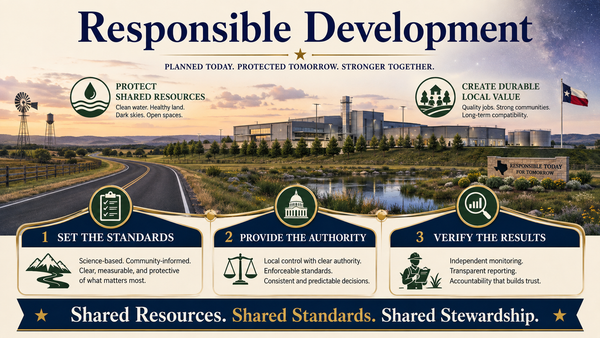
That distinction is one reason we have been developing the Texas Resource Stewardship Protocol and Good Neighbor Policy.
The objective has never been simply to stop development.
The goal is to create a predictable process where large-impact projects are evaluated consistently, neighboring property owners are considered and the County understands both the benefits and the long-term costs before taxpayer incentives are offered.
The Good Neighbor Policy already calls for a complete public review packet that can include water information, road and traffic impacts, emergency-services needs, noise, drainage, tax-abatement analysis and other project-specific studies.
Responsible developers benefit from knowing the questions early. Commissioners benefit from having a complete record before negotiations begin. Residents benefit when the information being considered is available before the decision is final.
Ross Fire property-tax relief was also discussed
The Ross Fire also significantly affected Monday's discussion.
The Chief Appraiser explained the temporary disaster property-tax exemption that may be available for qualified property damaged in a declared disaster area.
Chief Appraiser Ms. Rose told the Court that, for the Ross Fire disaster exemption process, the relief applies to improvements or structures on the land, not the land itself, fencing or livestock. She explained four damage-assessment levels of 15 percent, 30 percent, 60 percent and 100 percent, with the exemption prorated based on the date of the disaster. She also said the current application deadline is November 16, based on the date of the disaster proclamation, and noted that the deadline could change if the proclamation is amended.
Ross Fire property owners should contact the Jack County Appraisal District as soon as possible for the application and help determining what property qualifies. Based on the current proclamation, applications are due November 16.
Solar payments are not being used to support the proposed tax rate
Another important clarification came during the budget discussion.
The Court clarified that no income from Pennington Solar or PK Solar is included in the proposed budget calculation or being relied upon to support the proposed tax rate.
According to the discussion, those December payments, if received, were earmarked for planned EMS expansion in Precincts 2 and 3 rather than being relied upon to balance the County's operating budget.
That distinction matters because it separates one-time or project-specific revenue from the recurring revenue assumptions being used to support the proposed tax rate.
What happens next
There is still a lot to work through.
But Monday the Commissioners Court chose to slow down, get additional information and reconsider processes that will affect Jack County for years.
That is exactly what responsible local government should do when the stakes are this high.
Here is what we will be watching next:
• Friday, September 18: another look at the FY 2026-2027 county budget and tax rate.
• Written legal guidance: what the Texas Association of Counties advises about the budget-hearing and notice questions.
• Chapter 312: Commissioner Fitzgerald's committee begins reviewing the tax-abatement application process. Processing and consideration of all new applications remain paused until the committee reports back and the Court acts.
• TRSP and GNP: continue developing practical standards that can help Jack County evaluate large-impact projects and negotiate stronger protections for taxpayers, neighboring landowners and county resources.
• Ross Fire: affected property owners should check directly with the Jack County Appraisal District about disaster-related property-tax relief.
We will keep following the process, documenting what happens and making the information available to the public.
Explore further
Jack County Budget Hearing: What the Law Requires and What Options Remain
Jack County Appraisal District
Texas Resource Stewardship Protocol
A question for the Front Porch
Before Jack County considers a Chapter 312 tax abatement, what information should every applicant be required to put in the public record?
Join the conversation in The Front Porch on Facebook.
Let's keep building.
Shared Resources. Shared Standards. Shared Stewardship.