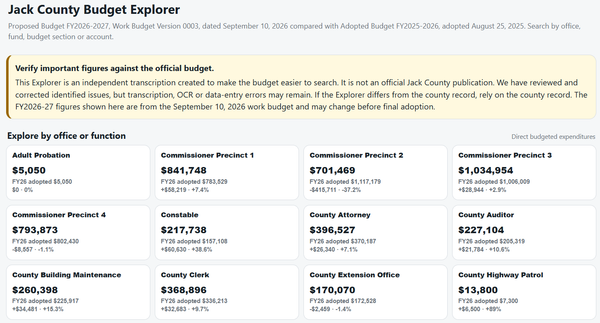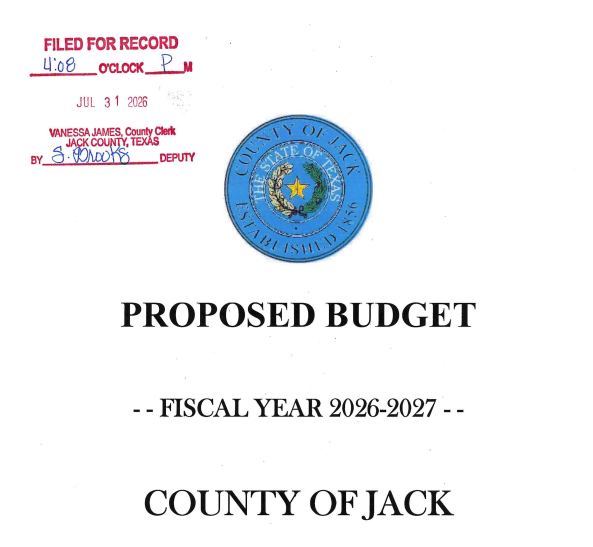
Where Do County Rules Live?
A county record can prove a decision was made. But can the next commissioner, county employee, or resident find the rule when they need it?

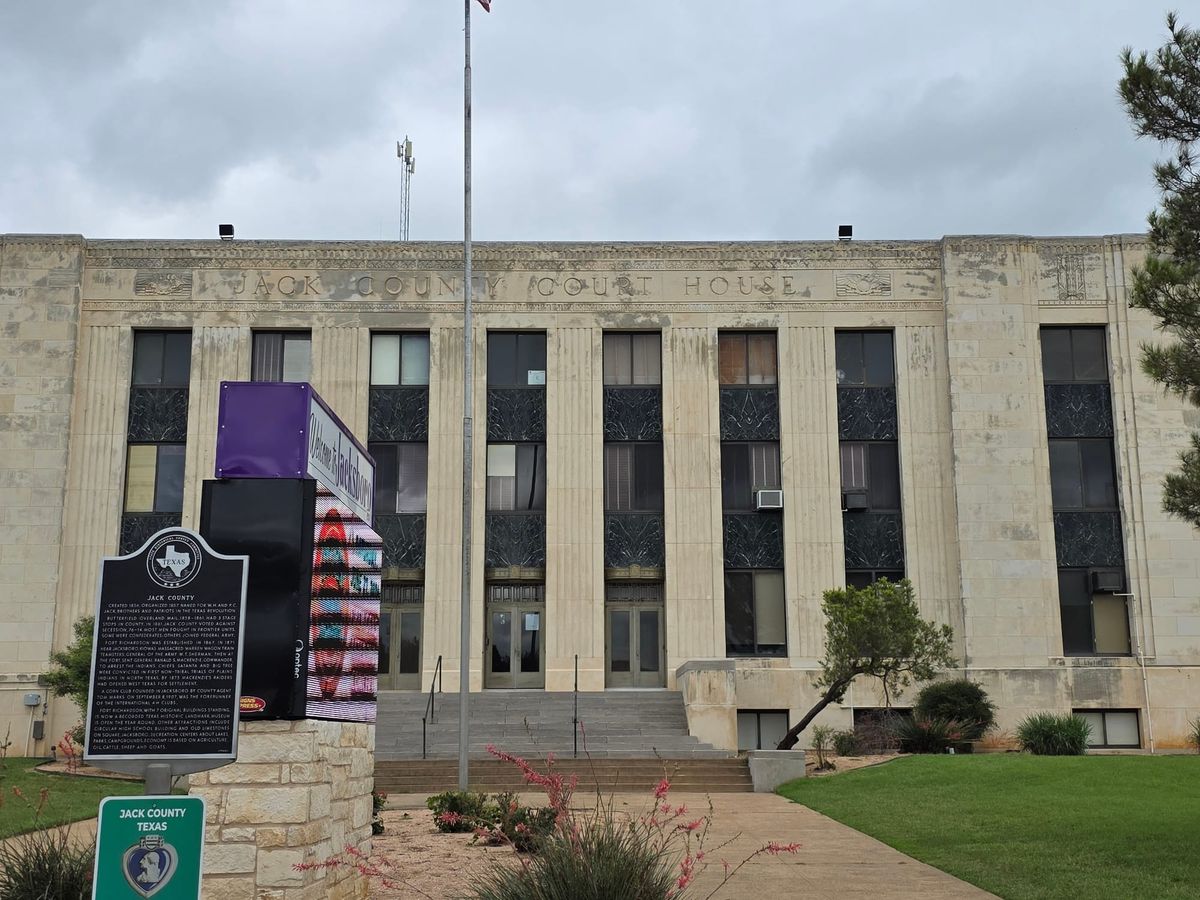
A few weeks ago, I went looking for something I thought would be simple. County rules.
Not campaign rules.
Not party rules.
Not state law.
County rules.
The rules, policies and resolutions that tell a county how it has decided to handle certain things.
Not the basic rules already set by state law, but the local choices a county makes inside the authority it has.
Things like:
- Roads
- Tax abatements
- Large projects
- Public records
- Water concerns
- Noise concerns
- Dark skies
- County facilities
The kinds of decisions that shape everyday life in a rural county.
I assumed there would be a clear place to find them.
Some kind of county rulebook.
Some kind of policy index.
Some kind of central list that says, “Here is what the Commissioners Court has adopted, here is when it was adopted, and here is where you can read it.”
That may exist in some counties.
But in many places, the answer appears to be much less clear.
I even tried to request that kind of index through the county’s online public information request portal.
As I typed the request, a yellow notice appeared:
“It looks like you are trying to find public records from the County. Our agency does not maintain those records. We recommend that you contact the County Clerk...”
That may be the correct place to get those records. The County Clerk is where many of them should run through.
But it also shows the larger problem.
I was simply trying to find the county’s adopted rules, policies and resolutions.
But I ran into a maze before the request was even submitted.
The portal says the department field is optional. The notice points the person making the request somewhere else. The record may exist.
The clerk may have it.
The minutes may show it.
The agenda may reference it.
But none of that is the same as having a clear, public, searchable index of what rules are currently in force.
That confusion matters even more when the county is also moving toward a centralized Public Information Officer process.
A central point of contact can be helpful. It can make requests easier to track, easier to answer, and easier for the public to understand.
But only if the trail is clear.
If one message says requests go through the Public Information Officer, another notice points people to the County Clerk, and the records themselves may be buried in meeting minutes, then the problem is larger than one request.
The trail is hard to follow.
And the public should not need a local guide and a brush axe just to find the county’s own rules.
The record may exist.
The minutes may exist.
The agenda may exist.
But that is different from having a usable public rulebook.
And that difference matters.
Because a rule hidden inside years of meeting minutes is still technically a record.
It is just not a very useful one.
A commissioner should be able to know what earlier courts adopted.
A county employee should be able to know what policy they are expected to follow.
A resident should be able to know what standards apply before a major decision affects their road, their water, or their peace and quiet.
A future court should be able to see whether a policy is active, amended, or repealed.
That is not fancy government.
That is basic stewardship.
Cities often have ordinance codes.
Counties are a different animal. Texas counties operate through the authority the state gives them, and their decisions often show up as orders, resolutions, and minutes.
That may be legally normal.
But normal does not always mean easy to use.
If local self-government depends on people being able to understand what has been decided, then those decisions need to be findable.
Not just somewhere.
They need to be:
- Findable
- Searchable
- Readable
- Connected to the meeting where they were adopted
- Clear about whether they still apply
This is where Skew the Future comes in.
We are going to keep asking practical questions.
Where do county rules live?
How does a new commissioner know what predecessors put in place?
How does the public know what standards already exist?
How does a county avoid relearning the same lesson every few years because the last lesson was buried in old minutes?
And how do we build a better habit going forward?
One simple idea is a Commissioners Court Policy and Resolution Index.
Not a new layer of bureaucracy.
A map.
A public, searchable index of adopted rules, policies and resolutions.
The index could show:
- Title
- Date adopted
- Document link
- Current status
That current status could be simple:
- Active
- Amended
- Repealed
That kind of index would help:
- Commissioners
- County staff
- Residents
- Journalists
- Future courts
Most of all, it would help the public understand the public’s own business.
A record should do more than prove something happened
A good record should help the next person understand what happened, why it happened, and whether it still guides decisions today.
That is how we move from scattered records to shared standards.
That is how we make local government easier to follow.
That is how we leave the trail clearer than we found it.
Let’s keep building.
Shared Resources. Shared Standards. Shared Stewardship.