Pillar Two: The Texas Resource Stewardship Initiative
The Texas Resource Stewardship Initiative identifies the statewide standards, practical county authority and legislative support communities need to review large-impact projects responsibly.

Part Four of Understanding the
Texas Resource Stewardship Protocol
A county can adopt a policy.
It can organize a public record.
It can decide whether to grant a tax abatement, enter a road-use agreement or provide another form of discretionary public support.
What it cannot do is create legal authority the Texas Legislature has not given it.
That is the gap Pillar Two is designed to address.
The Texas Resource Stewardship Initiative is the statewide pillar of the Texas Resource Stewardship Protocol.
Pillar One, the Good Neighbor Policy, establishes the local standards and review process.
Pillar Two asks what authority, technical support and statewide framework counties need to apply those standards fairly and consistently.
The purpose is not to create unlimited county power.
It is to give communities practical tools for the decisions they are already being asked to make.
Local standards need statewide support
Large-impact projects can bring investment, jobs and infrastructure.
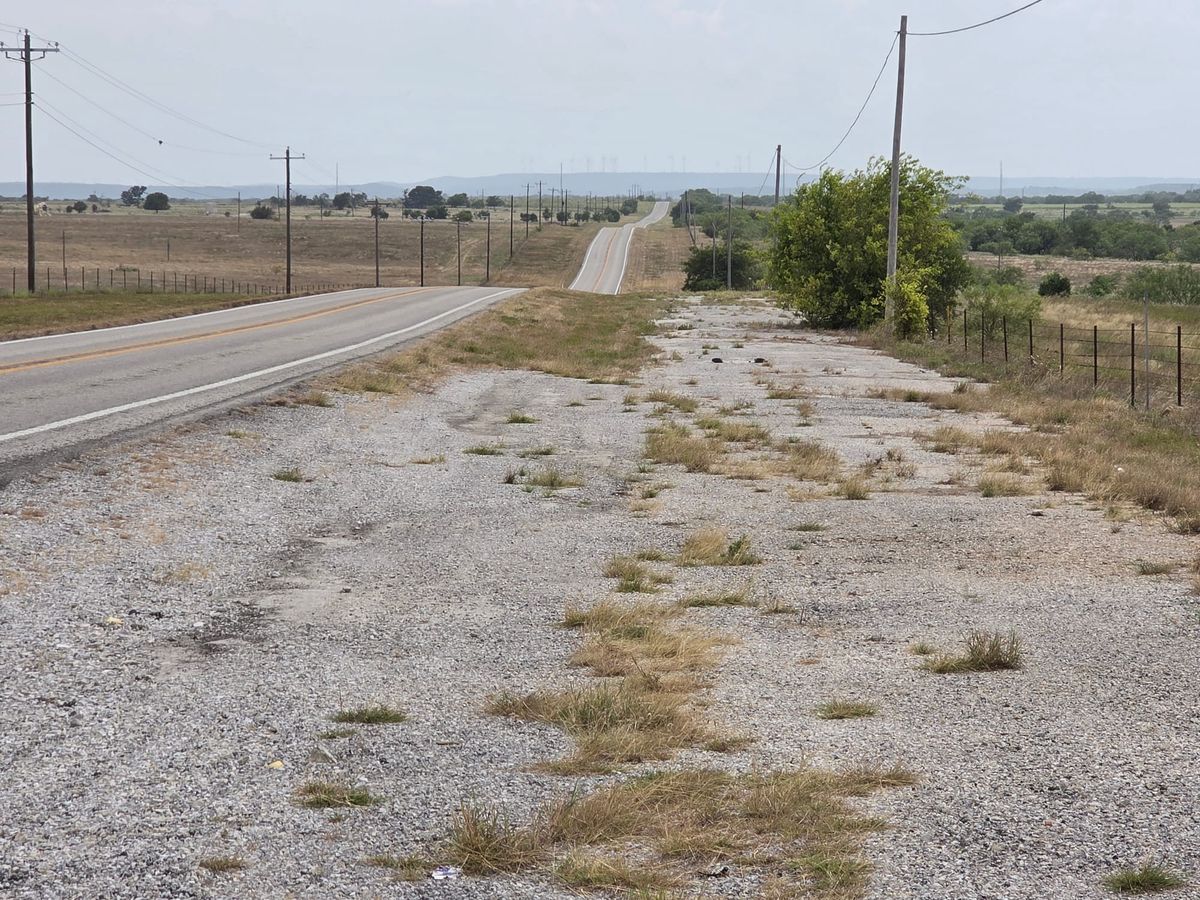
They can also place unusual demands on water, roads, electricity, drainage, emergency services and neighboring property.
Those effects do not always fit neatly inside one county office or one existing state program.
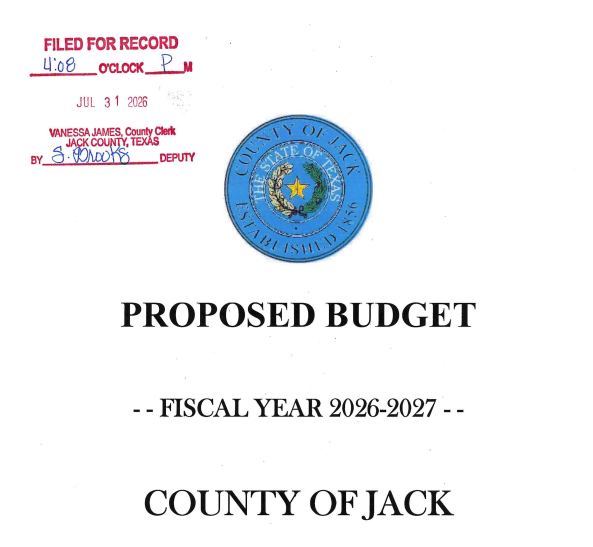
A county may be asked to vote on public support before it has complete project-impact information.
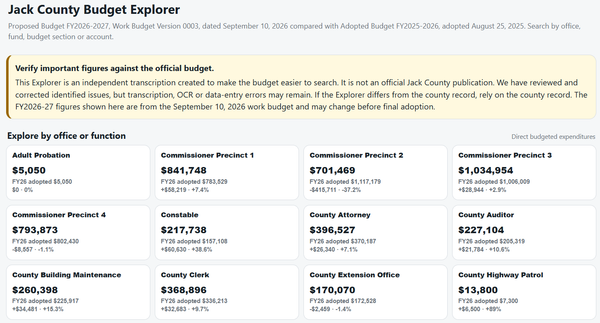
A small rural county may need outside expertise to evaluate water demand, noise modeling, electrical infrastructure or road damage.
Residents may not know where to find the application, studies, agreements or later compliance reports.
Responsible developers may not know what one county will expect compared with another.
The Texas Resource Stewardship Initiative is intended to replace that uncertainty with a predictable Texas framework.
Three things Pillar Two must provide
1. Common standards and clear review triggers
A statewide framework should establish common definitions and baseline expectations for large-impact projects.
It should identify when a project requires a more complete review because of its scale, resource demand, public burden or request for public support.
The triggers should be clear enough that counties, developers and residents can understand them before a project reaches the final vote.
They should focus on unusual impacts, not ordinary private land use.
A family well, a barn, a small business or a routine property improvement should not be treated like a project that may require industrial-scale water, major electrical infrastructure or extensive county-road use.
The point is to distinguish ordinary development from projects large enough to affect shared systems.
2. Narrow county review authority and technical support
Counties need clearly defined authority to require complete project-impact information when a large-impact project seeks discretionary county support or creates a defined public burden.
That authority should allow a county to require:
- A complete application.
- An organized public project file.
- Applicant-funded independent technical review when specialized expertise is needed.
- A documented comparison between the evidence and the standards that apply.
- Enforceable mitigation, monitoring and reporting when public support is granted.
This is not a proposal for countywide zoning.
It is not a new state permit for every landowner.
It is a focused review process tied to large impacts, public burdens and public decisions.
The county should not have to rely only on the applicant's consultants to decide whether the applicant's claims are complete.
The applicant should fund qualified independent review, but the county should select and direct the reviewer.
That protects the public record while avoiding a new unfunded burden on local taxpayers.
3. Authority to protect shared resources and carry commitments forward
A review process has little value when the county can identify a serious gap but has no practical authority to address it.
Pillar Two therefore includes the legal authority needed to protect shared resources, place measurable conditions into agreements and carry those commitments into construction and operation.
That includes addressing gaps involving:
- Large-impact groundwater use in counties without a groundwater conservation district.
- Clearly defined county authority to investigate and address industrial nuisance conditions when documented noise, vibration, light, dust, drainage, traffic or other effects cross the project boundary and materially affect neighboring property or public systems.
- Monitoring, evidence collection, corrective action and enforcement after approval.
The detailed monitoring system belongs to Pillar Three, Industrial Monitoring and Enforcement.
Pillar Two identifies the legislative authority counties and authorized county officers would need to make that system work.
That may include clearly defined roles for inspections, documentation, notices, corrective-action procedures and enforcement by the appropriate county officials, including constables where the Legislature provides that authority.
Groundwater is the clearest example
Texas recognizes groundwater conservation districts as the state's preferred method of groundwater management.
Some counties, however, do not have a groundwater conservation district.
When a large-impact project proposes major groundwater use in one of those counties, the local community may have no comparable district process for reviewing the project's effect on nearby wells and long-term supply.
The Texas Resource Stewardship Initiative proposes a narrow project-specific framework for that gap.
For large-impact groundwater use, the review could require:
- Disclosure of the proposed water source and expected demand.
- Baseline testing of potentially affected wells.
- A project-specific drawdown and cumulative-impact analysis.
- Drought and reduced-supply planning.
- Continuing monitoring with public reporting.
- Mitigation when the project's use causes a documented impact.
This would not replace a groundwater conservation district.
It would not turn the county into a general regulator of every private well.
It would provide a defined review process for unusually large groundwater demands where no district currently performs that role.
A Texas standards crosswalk
Texas does not have to build every standard from scratch.
Other jurisdictions, technical organizations and industries have already developed useful practices for water efficiency, noise control, lighting, emergency planning, infrastructure protection and operational reporting.
The Texas Resource Stewardship Initiative uses a standards crosswalk to examine those practices.
The goal is not to import another state's law or another country's regulatory system.
The goal is to ask three questions:
- What problem was the standard designed to solve?
- What evidence shows that it works?
- How should it be adapted to Texas climate, Texas resources and Texas legal authority?
A useful standard should survive that test before it becomes part of the Texas framework.
What responsible developers gain
Clear standards are not only a public protection.
They also create predictability for responsible developers.
A company should be able to know before investing substantial time and money:
- What triggers the review.
- What information must be submitted.
- What standards will be applied.
- How independent review will be funded.
- What happens when a deficiency is found.
- What conditions and monitoring may continue after approval.
A predictable process rewards companies that plan carefully, provide usable evidence and address local impacts early.
It also reduces the chance that expectations will change during last-minute negotiations.
What counties and the public gain
County officials should not have to improvise a technical review while a final vote is approaching.
They should have a defined process, qualified analysis and a complete public record.
Residents should be able to see:
- What the project proposes.
- What resources it expects to use.
- What the independent review found.
- What conditions were added.
- What public support was granted.
- Whether the commitments were kept.
That does not guarantee that everyone will agree with the final decision.
It does mean the decision can be understood, evaluated and followed over time.
How the three pillars connect
The Good Neighbor Policy sets the local standards and review process.
The Texas Resource Stewardship Initiative provides the statewide support, authority and common framework needed to apply them.
Industrial Monitoring and Enforcement verifies performance and addresses missed commitments after approval.
Set the standards.
Provide the authority.
Verify the results.
Without Pillar Two, local standards can become requests that a county may not have the authority or resources to enforce.
Without Pillar Three, agreement terms can become promises that are difficult to verify.
TRSP connects all three responsibilities into one public system.
What the initiative does not do
The Texas Resource Stewardship Initiative does not propose unlimited county land-use control.
It does not replace state agencies, municipalities, groundwater conservation districts or existing permit systems.
It does not guarantee approval.
It does not require automatic rejection.
It proposes a narrow framework for large-impact projects, defined public burdens and discretionary public support.
The goal is responsible growth with clear rules, usable evidence and public accountability.
A legislative project, not current law
The Texas Resource Stewardship Initiative is an active policy-development project.
Its authority concepts, standards and legislative language remain subject to legal, technical, county, developer, public and legislative review.
Publication does not mean the initiative has been enacted by the Legislature or adopted by a county.
The purpose of publishing the framework is to make the proposal understandable enough for Texans to examine, improve and carry into the legislative process.
Continue exploring
Explore the Texas Resource Stewardship Initiative:
https://www.skewthefuture.com/texas-resource-stewardship-initiative/
Read the Good Neighbor Policy article:
https://www.skewthefuture.com/good-neighbor-policy-local-standards-before-public-support/
Return to TRSP in Plain Language:
https://www.skewthefuture.com/the-texas-resource-stewardship-protocol-in-plain-language/
A question for the Front Porch
What practical authority should Texas counties have when a large-impact project asks for public support but may also place major demands on local water, roads or emergency services?
Join the conversation at The Front Porch on Facebook.
Let's keep building.
Shared Resources. Shared Standards. Shared Stewardship.